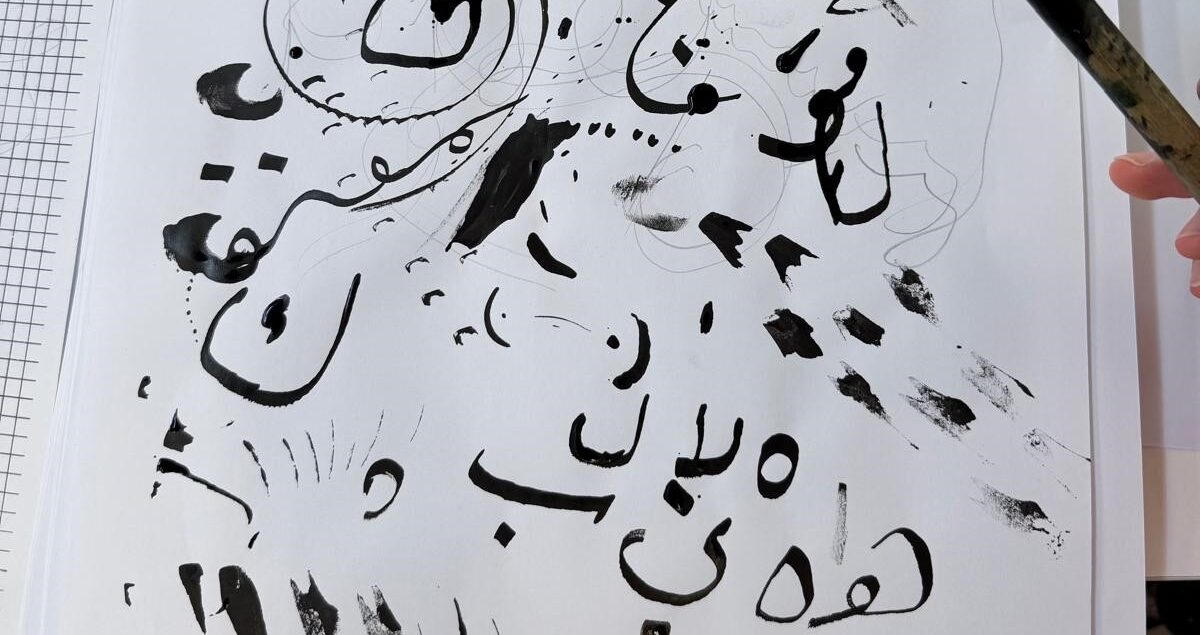
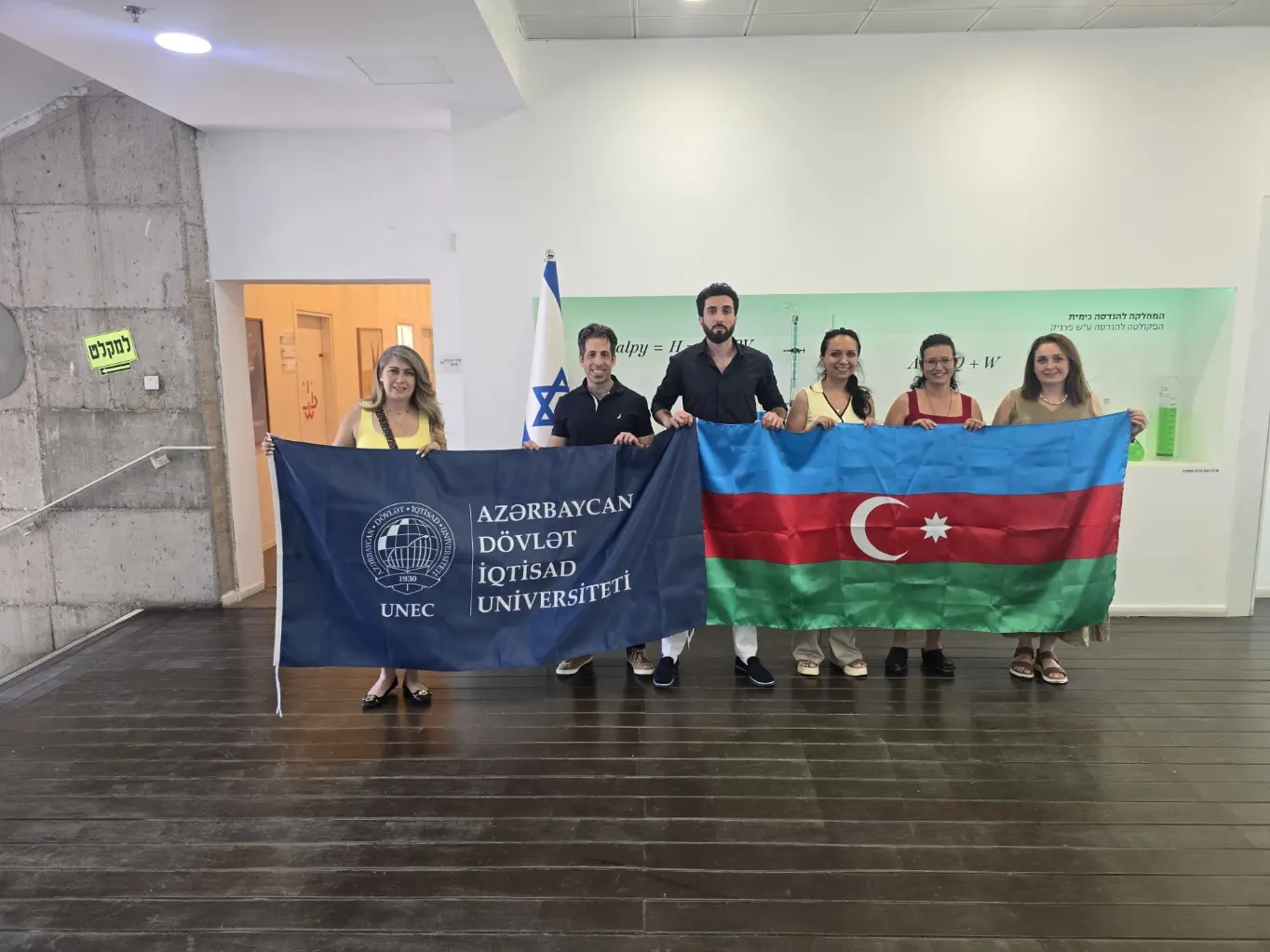
Ella Accos and Noam Fink, students in the Jewelry Design and Industrial Design Departments, represented the Faculty of Design and Shenkar in the Experience Design for The Extinction of Experience, a short experiential course which took place in June 2025, in the Information Experience Design MA program at the Royal College of Art, London. The collaboration takes place at Shenkar through PADLab, led by architect Oded Kutok and Michal Pauzner, and supported by The International Center.
Humans nowadays have less direct daily contact with nature or the ecosystem in which they live. Robert M. Pyle called this process ‘Extinction of Experience’. With the rapid advancement of digital technologies, the decline of direct sensory engagement extends to various social and cultural contexts.
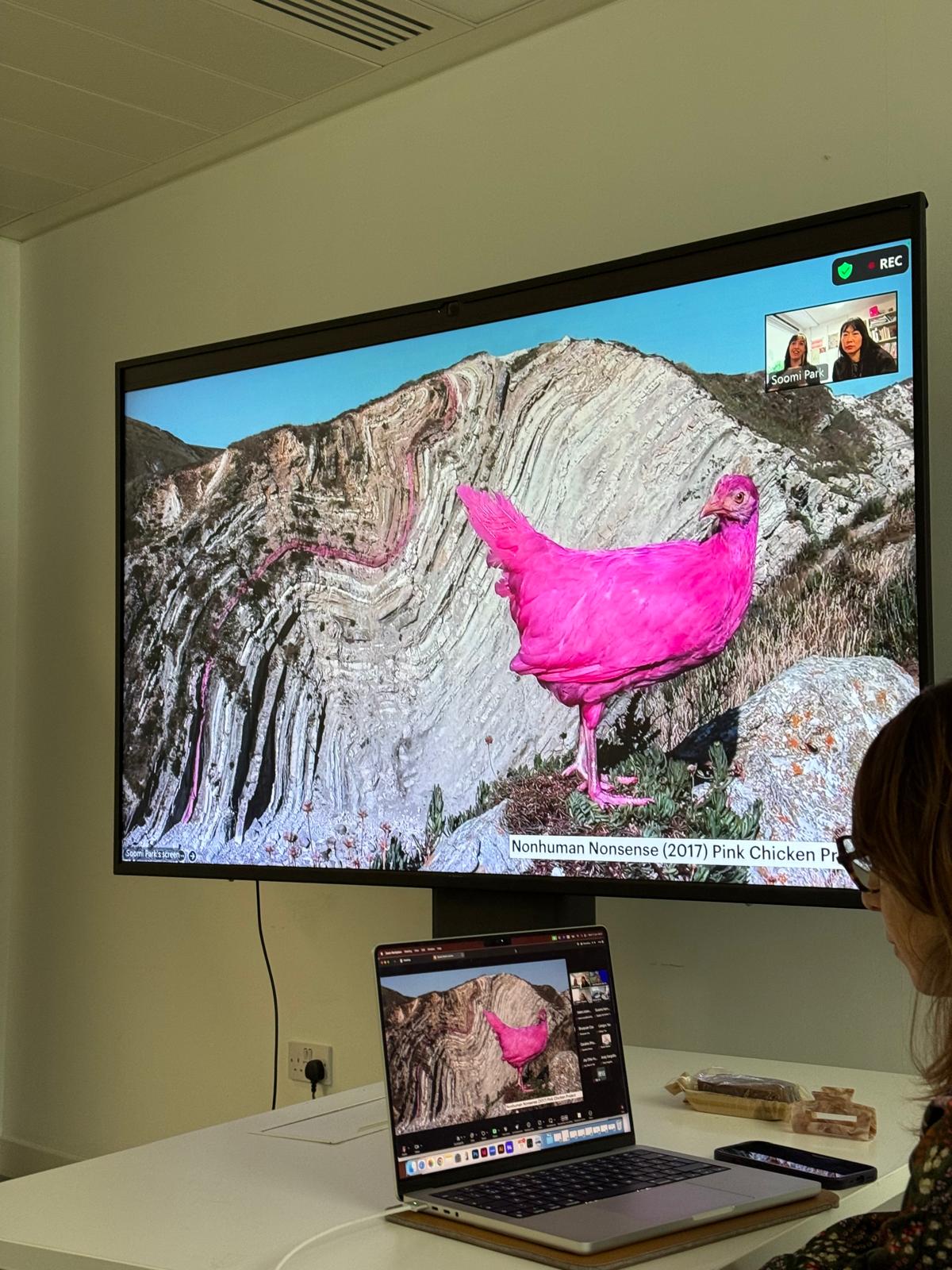
The experimental course brought together design, art, and science students from institutions around the world to explore the tensions between artificial and natural systems, and to design interventions that bridge or highlight the gaps between them. They explored how design might shape forms of shared experience, conveying sensory information from one location to a remote team member. They did this through a series of short experiments, using different methods and approaches to create asynchronous, telepresence conversations.
Participants asked questions such as: How might people sense environments in which they are not physically present? What is being lost as our social experiences increasingly shift from physical to digital? What new and interesting kinds of experiences might emerge within the gaps of what we can and cannot physically sense? How might this shape our understanding of our relationships with others and the world around us?
They examined the complexities and current paradigms of our contemporary ways of life: understanding temporality, artificial boundaries, cultural transmission, and gaps in interpretation. They heard insights from researchers and professionals from various fields on remote sensing in various contexts, such as monitoring biodiversity in limited areas, and more.
‘What I especially liked about this course’, says Ella Accos, ‘was the way it dealt with mediation gaps that arise between what the creator intends to say and what the viewer or user perceives. Such gaps appear in every area of life: between what we remember from certain situations and what actually happened, between how we choose to present our lives on social media and the full and complex experience we actually had, and between our intention when we speak and how our words and tone are perceived – especially in the contexts of culture, language, slang, status, etc. The course gave me a new understanding about how experiences are shaped, not only through aesthetics, but through context, audience, and space. For me, it was a lesson that deepened the desire to continue to engage in design as a means of conveying feelings and emotions, and not just as a form’.
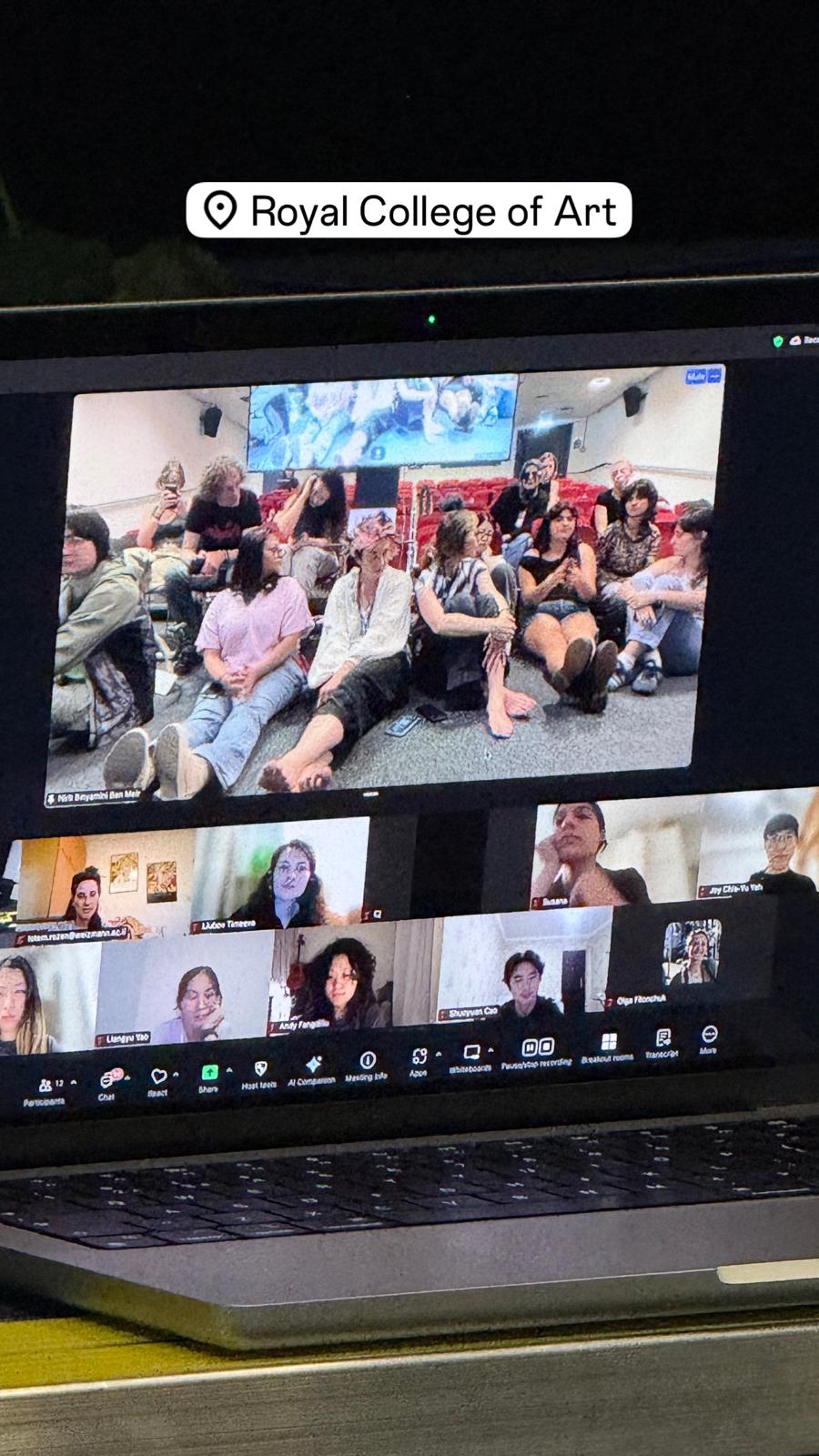
The exercises were conducted in various ways: together with the students, in virtual space, in groups, individually, and in a rapid transition back and forth between virtual and physical space. In this way, the participants revealed various gaps in information transfer and communication and developed different methods for transferring information through the virtual world in a way that illustrated the emotion they were trying to convey.
‘It was an empowering experience,’ concluded Noam Pink. ‘It opened new perspectives for me on the connection between nature, technology and design – on our role and ourresponsibility, in this era, as designers, who are faced with unprecedented environmental and technological challenges. We have a deep responsibility to act with environmental awareness, ecological sensitivity, and a genuine aspiration to reconnect humans with the natural world.’
The interdisciplinary course combined methodologies and results from speculative design, ecology, human-computer-biosphere interaction, interspecies play and design with living systems. It culminated in a performative event at the Horniman Museum Gardens.
Read more about the program here>>
Photos by: Ella Accos